EN
EN


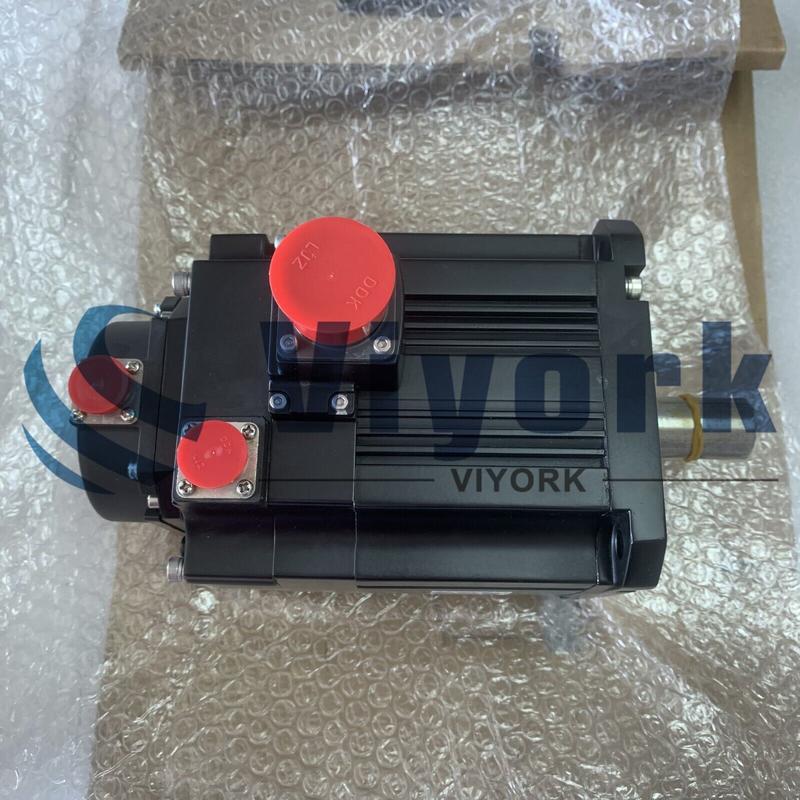
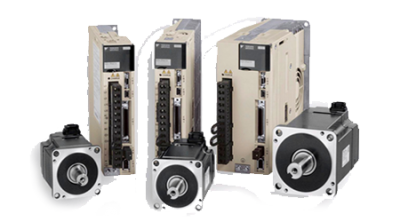
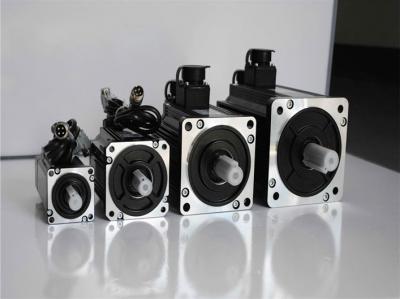
AC motor servo systems are foundational to modern industrial automation. They are specifically designed for applications requiring high levels of precision, responsiveness, and control. In automated manufacturing environments such as CNC machining centers, assembly lines, and packaging systems, servo motors enable the accurate positioning and velocity control of mechanical parts. Their closed-loop feedback mechanism ensures that the system constantly corrects for deviations, minimizing errors and reducing downtime. This level of accuracy translates into higher throughput, consistent product quality, and increased operational efficiency.
Servo motors are also well-suited for load-sensitive processes, where variations in torque and speed demand real-time adjustments. In industries such as automotive manufacturing, where thousands of identical parts must be processed with zero tolerance for deviation, AC motor servo systems are critical to maintaining quality standards and production targets.
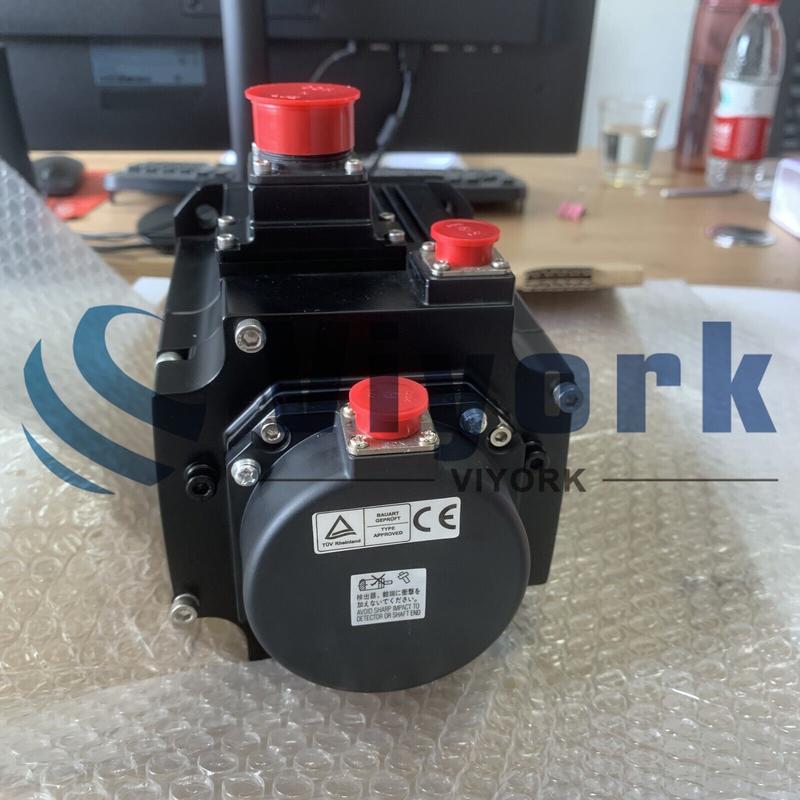
AC motor servo systems play an essential role in robotic motion control. Whether it is a simple pick-and-place robotic arm or a complex multi-joint humanoid system, the need for precise, coordinated, and smooth movement makes servo motors the ideal choice. These motors allow for highly dynamic response times, repeatable movements, and minimal vibration, all of which are necessary for intelligent robotic behavior.
In mobile robots, surgical robots, or warehouse automation bots, servo-driven actuators allow for real-time path correction and adaptive motion profiles. This not only increases task accuracy but also improves operational safety, particularly in collaborative robots (cobots) that work alongside human operators.
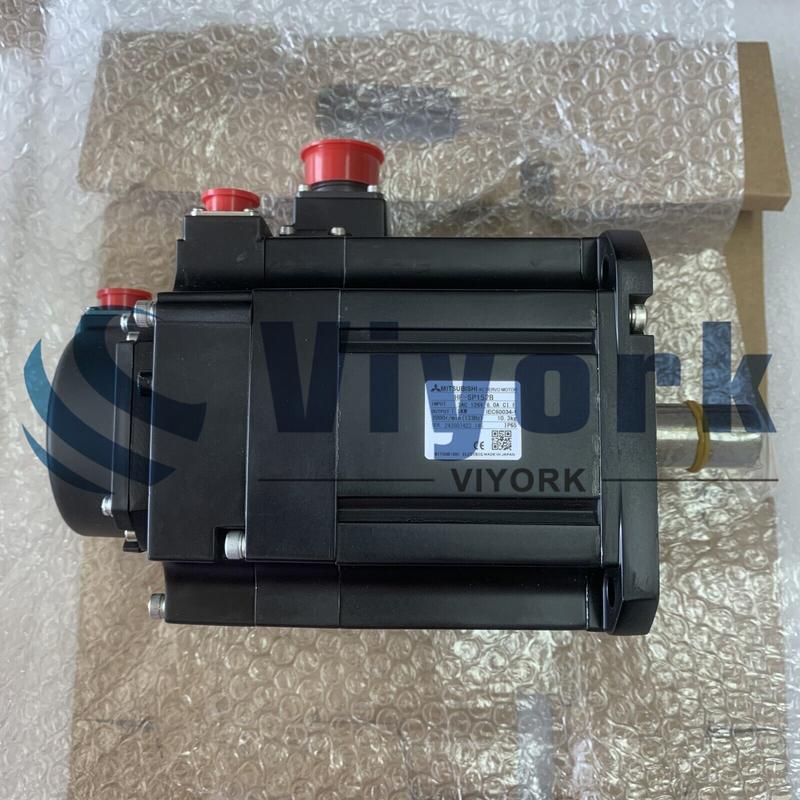
In the medical field, precision is not a luxury—it's a requirement. AC motor servo systems are increasingly being integrated into diagnostic and therapeutic equipment to ensure fine motor control. Examples include robotic surgical systems, radiation positioning platforms, and automated laboratory instruments. These devices must execute controlled, repeatable movements that align with strict safety and hygiene protocols.
For instance, in MRI-compatible robotic arms or automated drug dispensers, AC servo motors provide the exact torque and motion control needed to handle delicate procedures. The low noise and low electromagnetic interference characteristics of well-designed servo systems also make them suitable for use in sensitive medical environments.
In the ultra-precise world of semiconductor and electronics production, even microscopic inconsistencies can render an entire batch of products unusable. AC motor servo systems offer the level of micro-level control necessary for tasks such as wafer handling, die bonding, and high-speed surface mounting. With acceleration and deceleration rates that can be finely tuned, these motors ensure flawless movement profiles across miniature components.
Moreover, servo systems used in cleanrooms must operate with minimal heat output and low particulate generation. Servo motors designed for these environments help ensure clean, controlled operation, meeting the strictest standards in microelectronics fabrication.
Beyond manufacturing, AC motor servo systems are increasingly being deployed in building automation and smart infrastructure. From automated sliding doors to elevator control systems and energy-efficient HVAC dampers, servo motors contribute to systems that require quiet operation, compact design, and responsive control.
These motors are well-known for their energy efficiency. When integrated into building systems, they help reduce overall power consumption while maintaining high reliability and long service life. In renewable energy applications—such as solar tracking systems or wind turbine blade pitch control—servo systems further support the transition toward sustainable technologies.
 Call us on:
  Email Us:
  1103, Block C, South Building, Luo Fang Road, Luohu District, Shenzhen, 518001, China