EN
EN


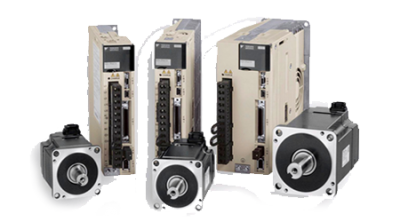
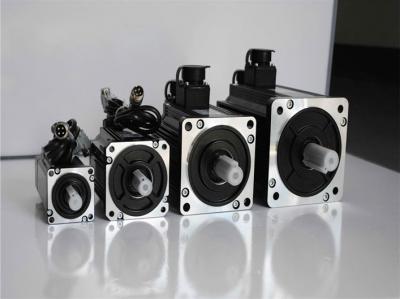
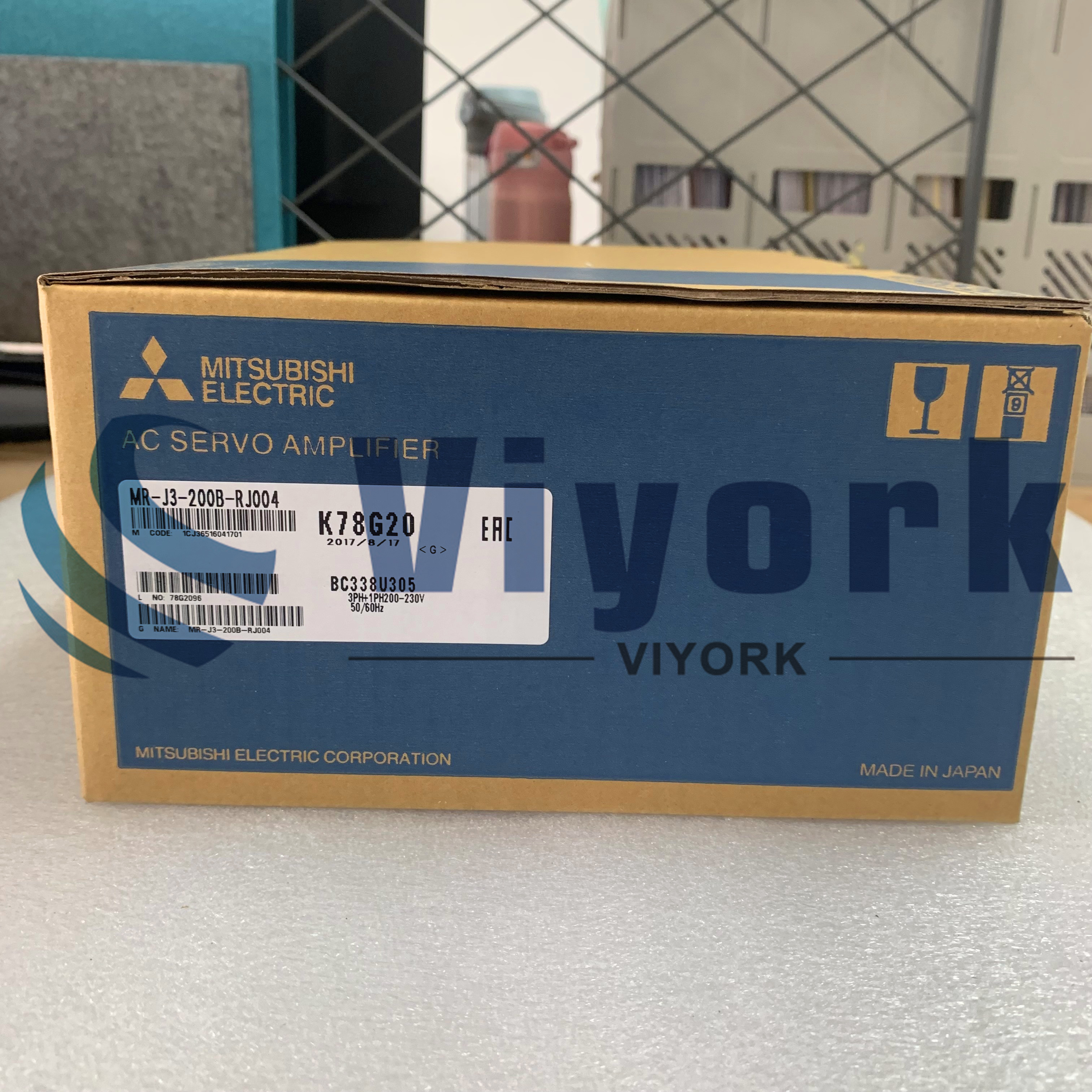
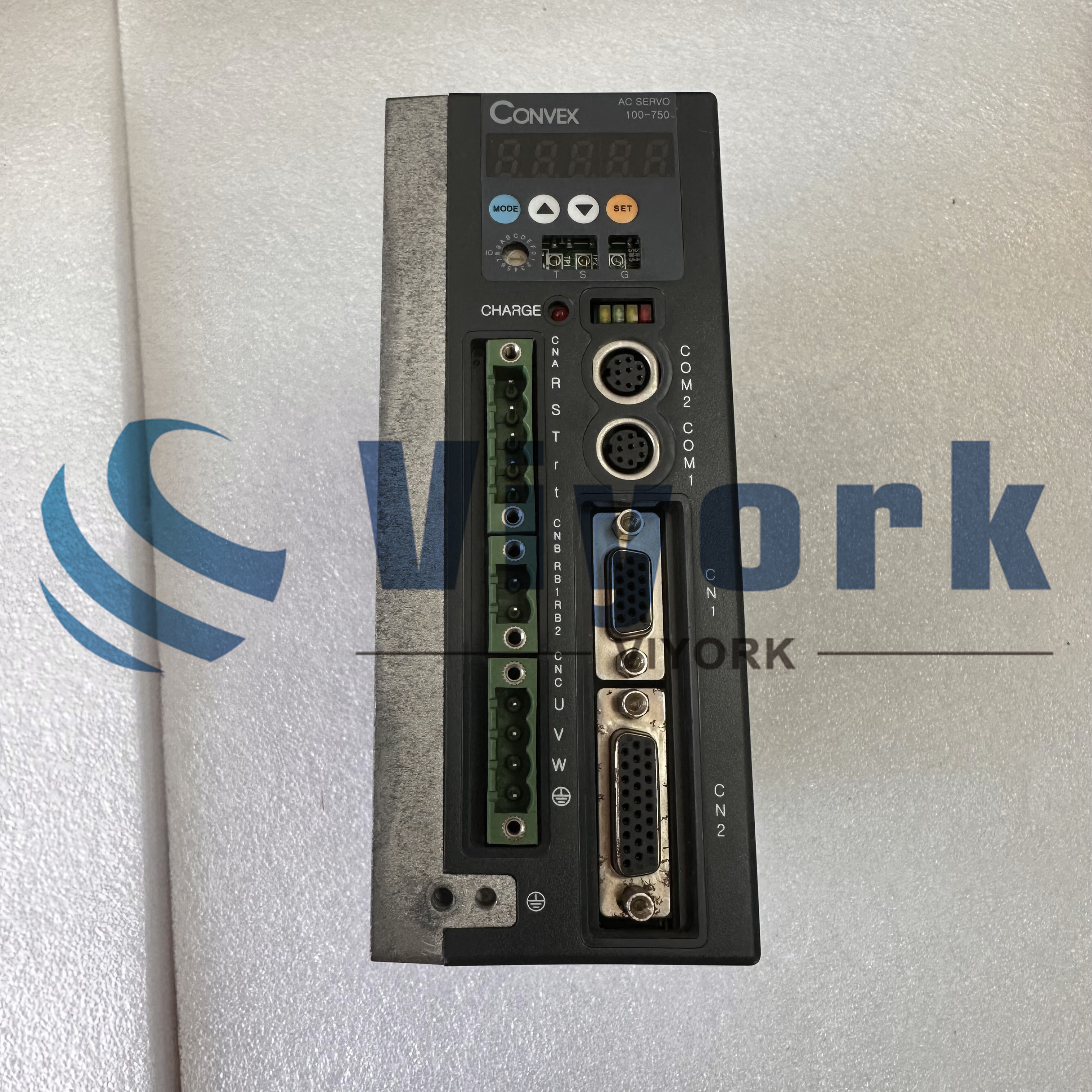
From the rapidly running automated production lines in factories to the precisely operated medical equipment in hospitals, AC servo motors are present everywhere. So, what is an AC motor servo? What are its advantages and disadvantages? This article will discuss these points and provide some real-life examples to help you understand its performance in different scenarios.
The advantages of AC servo motors include the following:
Take industrial robots, for example. In automobile manufacturing plants, those robotic arms need to perform delicate tasks such as welding and assembling. AC motor servos can precisely control each movement of the robotic arms, allowing them to complete tasks accurately. This is because they are equipped with high-precision encoders that can monitor the motor's rotation in real-time and quickly feedback position, speed, and other information to the control system. The control system can then make precise adjustments based on this feedback, keeping errors to a minimum and ensuring the produced products are of high quality.
In some high-speed automated sorting systems, such as parcel sorting in the courier logistics industry, AC motor servos can start and stop instantly, quickly change speed and direction, and efficiently sort parcels to their respective destinations. This is thanks to their advanced control algorithms and high-performance drivers, which allow the motor to respond swiftly to commands from the control system, significantly improving production efficiency.
When processing precision parts on CNC machines, AC motor servos can run stably for extended periods, ensuring continuity and accuracy in the machining process. Their reasonable structural design, good heat dissipation performance, and the use of high-quality materials and advanced manufacturing processes make these motors less prone to failure in various complex working environments, reducing downtime and saving companies a substantial amount of costs.
Of course, AC servo motors also have some disadvantages. The main issue is their relatively high cost, primarily due to their high-tech content. High-precision encoders, advanced drivers, and complex control systems are not cheap, so buying an AC servo motor is significantly more expensive than a regular motor. Additionally, their energy consumption is relatively high. To ensure high precision and responsiveness, the motors need to consume more electricity during operation, which is a factor that energy cost-sensitive companies need to consider.
On the whole, although AC servo motors have drawbacks such as high cost and energy consumption, their advantages of high control precision, fast response speed, and good stability make them widely used in many high-end manufacturing, automated production, and high-tech fields.
 Call us on:
  Email Us:
  1103, Block C, South Building, Luo Fang Road, Luohu District, Shenzhen, 518001, China